Sofia Sullivan · 25 September 2026
Analyzing the Ripple Effects of Service Provider Switches on Algorithmic Content Evaluation
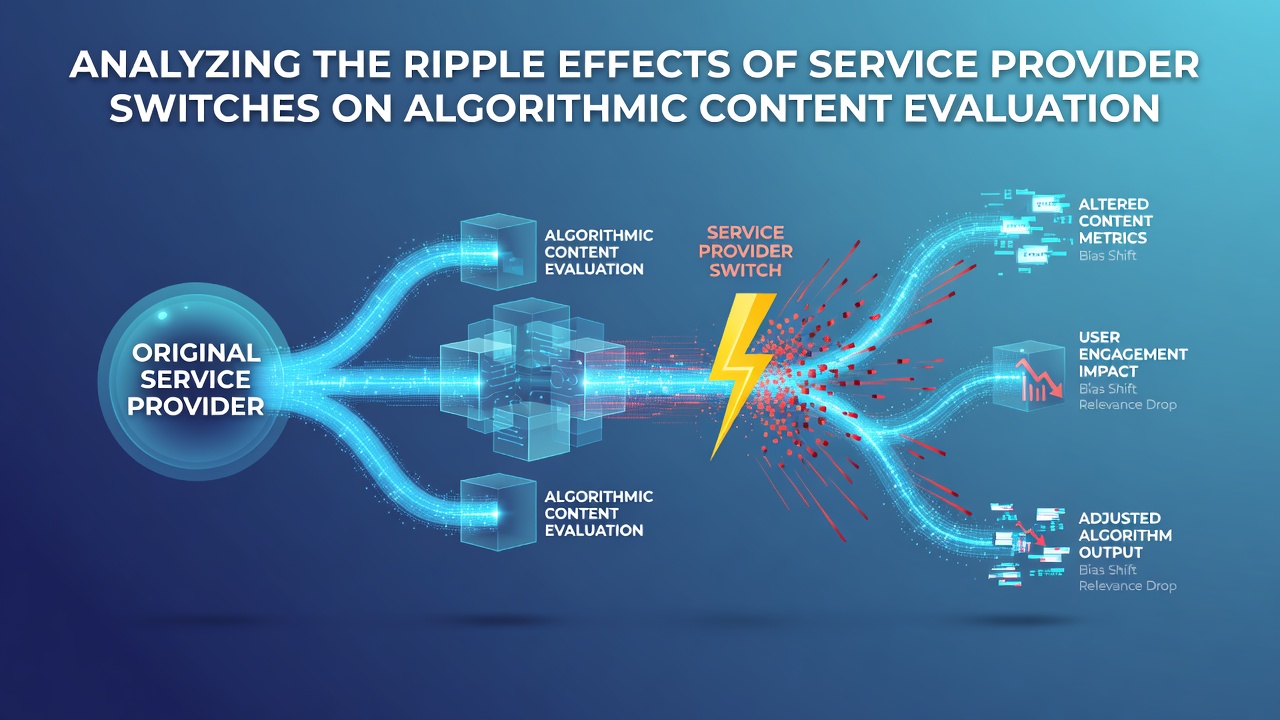
When organizations shift from one service provider to another, the changes ripple through systems that algorithms use to assess content quality and relevance, including factors like server response times, IP address stability, and data delivery consistency. Researchers have documented these effects across multiple industries where content evaluation relies on technical signals that providers influence directly. Data from infrastructure monitoring tools shows that even brief interruptions during cutovers can alter how search and recommendation algorithms score pages for weeks afterward.
Technical Signals That Algorithms Track
Algorithms evaluate content through layers of technical indicators that service providers control, such as latency measurements, uptime records, and routing efficiency, while organizations that switch providers often experience shifts in these metrics that trigger reevaluation cycles. Studies indicate that content hosted on new infrastructure may receive different priority scores until the algorithm confirms stable performance patterns over extended periods. Observers note that September 2026 brought renewed attention to these dynamics after several large-scale migrations coincided with updates in evaluation protocols at major platforms.
Latency and Response Patterns
Service provider switches frequently modify how quickly content loads for users in specific regions, and algorithms incorporate these speed variations into their ranking models because slower responses correlate with reduced engagement signals in aggregated datasets. When a new provider introduces different network paths, the resulting latency changes can prompt algorithms to lower visibility temporarily until fresh performance data accumulates. Those who monitor these transitions report that re-stabilization typically requires consistent measurements across multiple monitoring intervals.
IP Address Changes and Trust Metrics
New providers assign fresh IP addresses in many cases, which algorithms cross-reference against historical trust databases built from prior activity patterns, and this process can delay full integration of content into established evaluation frameworks. Research indicates that content previously associated with one set of addresses sometimes loses accumulated authority signals until the new addresses demonstrate equivalent reliability. Experts tracking these shifts have found that gradual reputation rebuilding occurs as algorithms collect data from the updated environment.
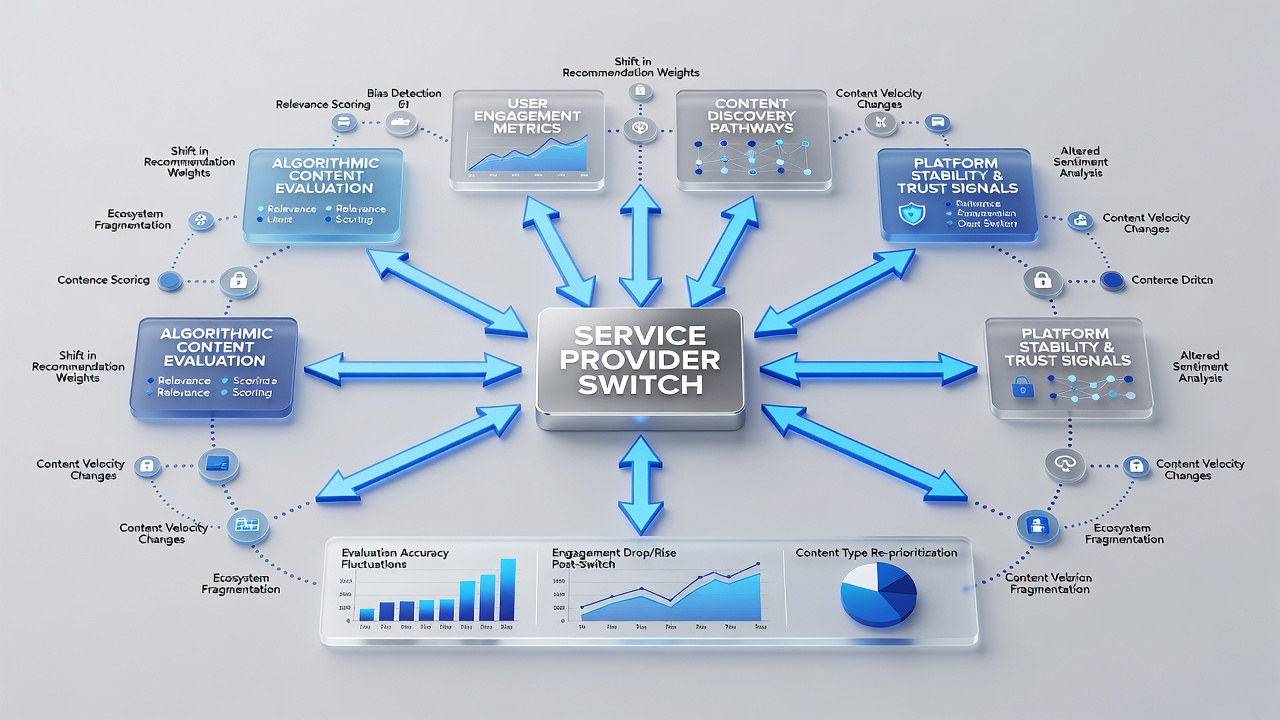
According to reports published by the Australian Competition and Consumer Commission, organizations that planned phased migrations experienced fewer prolonged disruptions in algorithmic scoring compared with abrupt transitions. The data shows measurable differences in how evaluation systems responded to staggered versus simultaneous infrastructure handoffs.
Content Delivery Network Integration Effects
Many provider switches involve adjustments to content delivery networks that cache and distribute material globally, and algorithms factor CDN performance into their assessments of accessibility and freshness. When these networks realign during a switch, the resulting variations in cache hit rates and geographic distribution can influence how quickly new content versions receive evaluation updates. Researchers have observed that incomplete CDN synchronization sometimes extends the period before algorithms register stable content signals.
Security Protocol Adjustments
Providers implement varying security configurations that affect encryption handshakes and certificate validation, elements that certain algorithms now include in their trust calculations for content sources. Transitions that alter these protocols may prompt additional verification steps within evaluation systems, which in turn affects the speed of content indexing and ranking adjustments. Figures from infrastructure analyses reveal that organizations maintaining consistent security postures across providers encounter smoother algorithmic transitions.
Long-Term Evaluation Adjustments
Over extended timelines, algorithms adapt to the new provider environment by recalibrating baseline expectations for the content in question, and this adaptation phase can span several months depending on the volume of user interaction data collected. Studies from academic institutions such as those referenced in National Institute of Standards and Technology publications demonstrate that sustained performance improvements eventually restore prior evaluation levels when technical parameters align favorably. People monitoring these patterns find that proactive testing of provider capabilities before full migration reduces the duration of adjustment periods.
Conclusion
Service provider switches generate measurable effects on how algorithms evaluate content through interconnected technical and performance signals that require time to reestablish equilibrium. Organizations that account for these dynamics during planning stages can align their transition strategies with the data collection cycles algorithms depend upon. Continued monitoring after cutover allows for identification of any lingering discrepancies in evaluation outcomes across different content categories.