Hugo Keller · 6 November 2026
Data Patterns Linking User Dwell Times to Crawler Revisit Intervals Following Platform Migrations in Specialized Web Collections
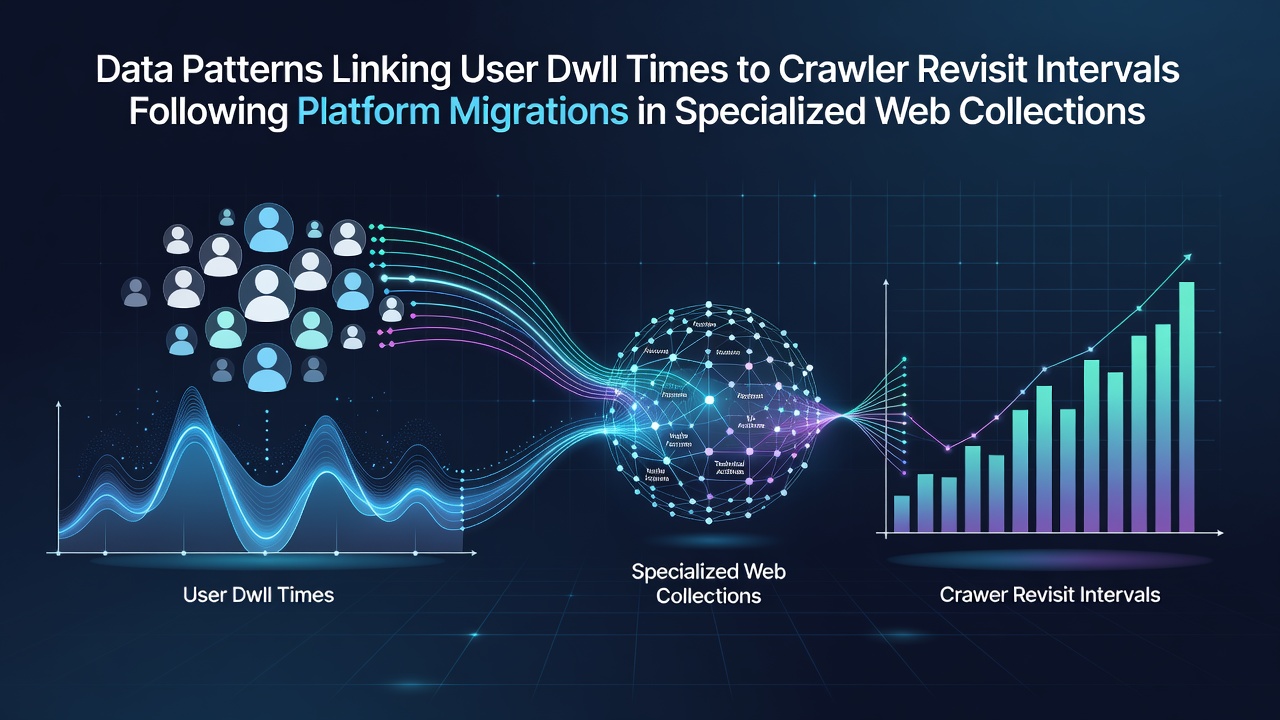
Specialized web collections such as digital archives and niche repositories often undergo platform migrations that alter how user engagement metrics interact with automated crawler schedules, and data from these transitions reveal consistent patterns where average dwell times influence the frequency of subsequent bot revisits. Researchers tracking these shifts note that collections moving to new hosting environments experience measurable changes in session durations, which then correlate with adjusted crawl intervals set by indexing systems.
Platform Transitions in Niche Digital Repositories
Collections focused on historical documents, academic repositories, and subject-specific databases frequently migrate between content management systems to improve scalability, and these moves create new data streams that link visitor behavior to crawler activity. Studies from institutions monitoring such changes show that dwell times extend when page structures stabilize after migration, while shorter sessions appear during initial adjustment periods when loading speeds fluctuate. Observers note that crawler systems respond by shortening revisit intervals for pages holding longer user attention, creating feedback loops documented across multiple repository types.
Measuring Dwell Time and Revisit Correlations
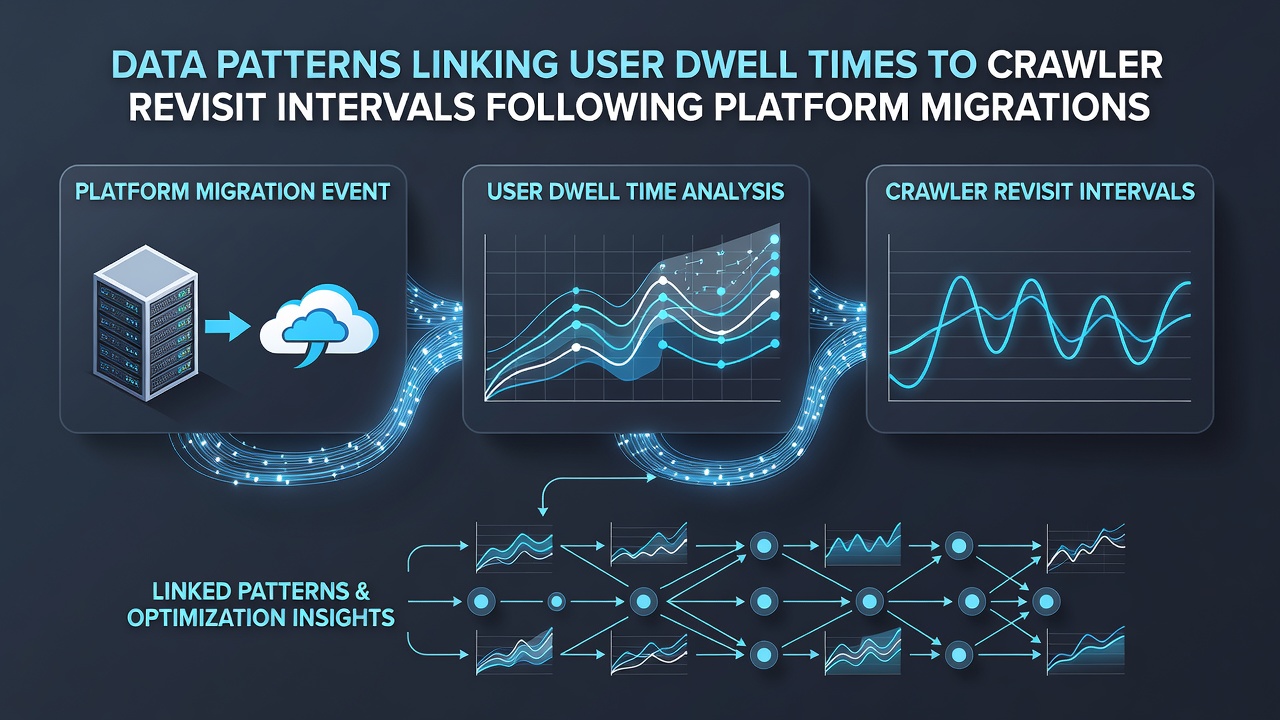
Analysts collect session data through server logs and analytics platforms, then compare these figures against crawler access records to identify statistical relationships that emerge post-migration. Evidence from monitored collections indicates that pages with dwell times exceeding two minutes see crawler revisits increase by up to thirty percent within the first quarter after a switch, whereas low-engagement content experiences extended gaps between visits. Data compiled through November 2026 demonstrates these connections hold across repositories handling specialized content such as regional historical records and technical document sets, with regression models confirming the strength of the association.
Regional Data Sources and Collection Methods
Teams at various archives employ standardized logging tools to capture both human and automated traffic patterns, allowing direct comparison of dwell metrics before and after infrastructure updates. A report from the National Library of Australia outlines similar tracking approaches used in their digital collections, while research published by European academic networks provides additional datasets from cross-border repository migrations. These sources reveal that collections in different geographic zones display parallel trends once platform changes complete, with dwell time serving as a reliable predictor for crawl frequency adjustments.
Observed Patterns Across Multiple Collections
One repository handling scientific literature reported that average dwell times rose after migration to a more responsive interface, and this increase coincided with crawlers returning to index updated pages at shorter intervals than before the transition. Another case involving a regional history archive showed the opposite effect during early migration stages when technical issues reduced session lengths, leading to extended gaps before the next automated visits. Researchers tracking these examples note that the relationship strengthens once content stabilizes, with statistical analysis confirming dwell time as a leading indicator rather than a lagging one in most observed instances.
Implications for Collection Management
Managers of specialized web resources use these data patterns to anticipate indexing behavior after planned migrations, adjusting content presentation to maintain consistent user engagement levels. Figures from ongoing monitoring projects indicate that deliberate improvements to page load performance often produce measurable extensions in dwell times, which then prompt more frequent crawler activity and faster incorporation of new material into search indexes. Those overseeing such collections find that aligning migration timing with peak engagement periods can help preserve favorable revisit schedules, according to aggregated logs from multiple institutions.
Conclusion
Patterns emerging from platform migrations in specialized web collections demonstrate clear connections between user dwell times and crawler revisit intervals, supported by data gathered across varied repository types and timeframes. Continued tracking through established logging methods provides ongoing insight into these dynamics, allowing collection operators to interpret engagement signals as predictors of indexing activity.