Hugo Keller · 23 October 2026
Seasonal Content Cycles and Their Hidden Connections to Persistent Search Patterns in Monitored Digital Libraries
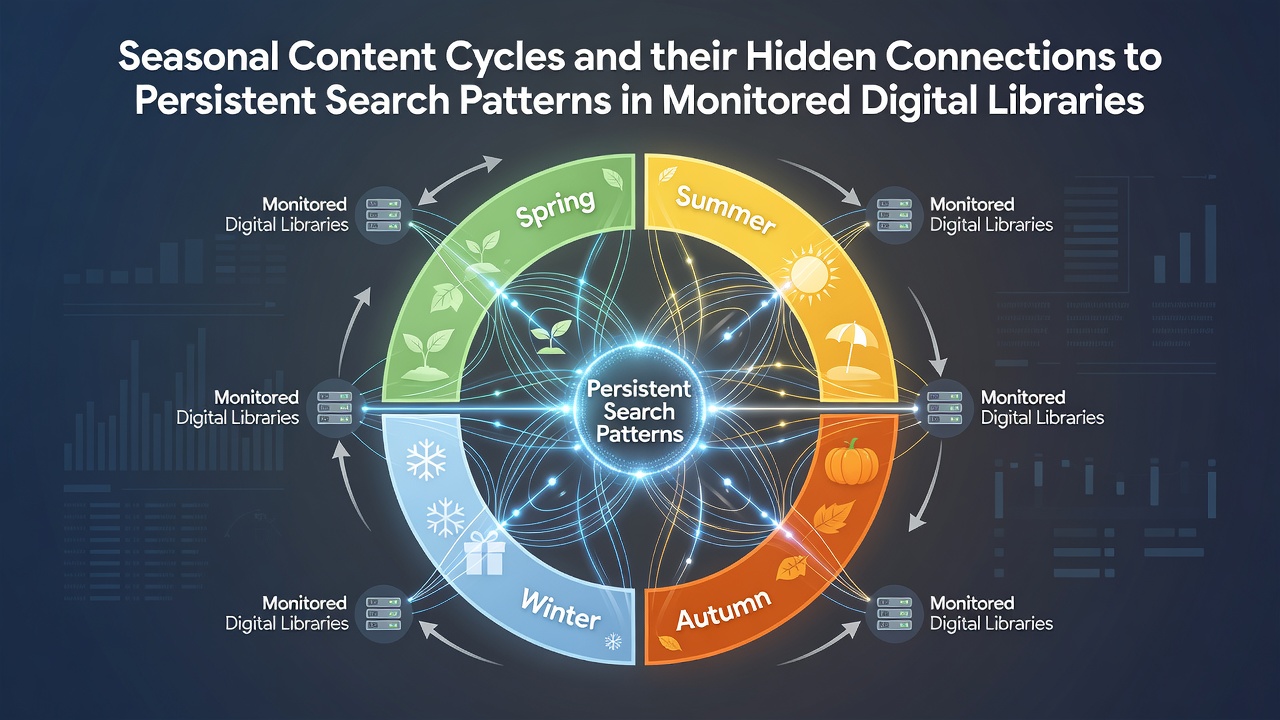
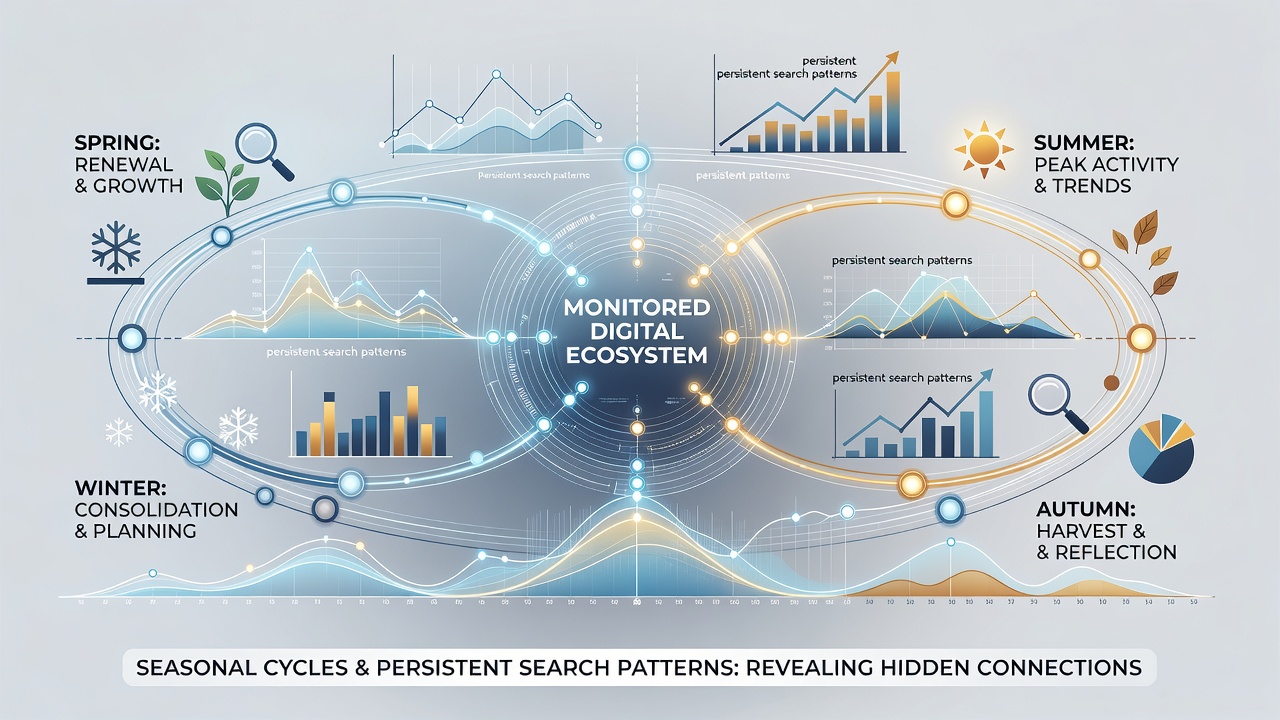
Digital libraries maintain extensive records of content additions and user queries that reveal recurring seasonal rhythms tied to academic calendars, holidays, and cultural events, while persistent search patterns emerge when users repeatedly seek the same topics across multiple years. Researchers tracking these systems note that content uploads often cluster around specific periods such as the start of university semesters or national observances, creating waves of new material that influence what appears in search results over time.
Seasonal Rhythms in Content Production and Availability
Monitored digital repositories show clear spikes in material submissions during autumn months when academic institutions release new theses and research papers, and similar surges occur before major holidays when cultural archives add themed collections. Data from library monitoring platforms indicates that these cycles repeat annually because institutions follow predictable schedules for digitization projects and open-access mandates, resulting in predictable influxes of documents on history, science, and literature that align with teaching terms. Observers note that October frequently marks a transition point where post-summer uploads begin to stabilize, setting the stage for increased visibility of certain categories through the end of the calendar year.
Recurring Search Behaviors Across User Populations
Users of monitored digital libraries exhibit persistent search patterns that endure despite changes in available content, with queries for educational resources peaking at the beginning of each academic term and remaining steady for topics such as climate data or historical events that carry seasonal relevance. Tracking systems capture these repetitions because individuals return to the same keywords year after year, often refining earlier searches rather than exploring entirely new terms. Evidence from aggregated logs demonstrates that these patterns create feedback loops where frequently searched subjects receive more indexing attention, which in turn sustains their prominence in result rankings throughout subsequent cycles.
Linking Content Cycles to Search Persistence Through Monitoring Data
Analyses of digital library logs reveal direct correlations between seasonal content releases and the endurance of specific search queries, as new uploads on related subjects reinforce user interest and prompt repeated visits to the same result sets. For instance, when libraries add fresh materials on regional history during spring commemorations, searches for those themes maintain elevated levels into the following seasons because users follow citation trails and recommendation features that highlight the additions. Monitoring tools capture these dynamics by logging query timestamps alongside content metadata, showing how initial spikes in uploads translate into sustained engagement rather than one-time interest. In October 2026, aggregated reports from several large-scale repositories illustrated this linkage when post-academic-year content batches coincided with renewed queries for previously popular subjects, confirming the persistence across monitored platforms.
Regional Variations and Broader Institutional Patterns
Digital libraries operating under different national frameworks display variations in seasonal timing that still connect to enduring search trends, with institutions in the southern hemisphere experiencing peaks offset by six months compared to northern counterparts yet yielding similar query persistence on shared global topics. Trove records demonstrate how Australian collections follow local academic calendars while maintaining overlap with international searches for topics like indigenous studies that recur across hemispheres. European repositories similarly align releases with regional events, and data compiled across borders shows that cross-library users carry their search habits from one system to another, reinforcing the same persistent patterns. Researchers compiling multi-year datasets find that these connections hold steady even when individual libraries update their interfaces or indexing methods.
Implications for Library Management and Indexing Practices
Administrators of monitored digital libraries use insights from seasonal and search data to adjust indexing priorities, ensuring that newly added seasonal content receives prompt visibility while longstanding popular queries continue to surface relevant historical materials. This approach relies on automated systems that detect rising query volumes and match them against upcoming content cycles, creating more responsive discovery environments. Institutions that implement such monitoring report improved alignment between available resources and user expectations, particularly when persistent searches span multiple years and multiple content waves.
Conclusion
Seasonal content cycles in digital libraries operate in tandem with persistent search patterns, producing measurable connections that monitoring systems document across academic terms, cultural events, and regional calendars. Data gathered through October 2026 and earlier periods confirms that these relationships influence how materials are discovered and reused, guiding future decisions on collection development and search optimization without altering the underlying rhythms themselves.