Blake Russell · 9 October 2026
Tracking Ranking Stability When Backend Hosting Providers Change for Niche Sites
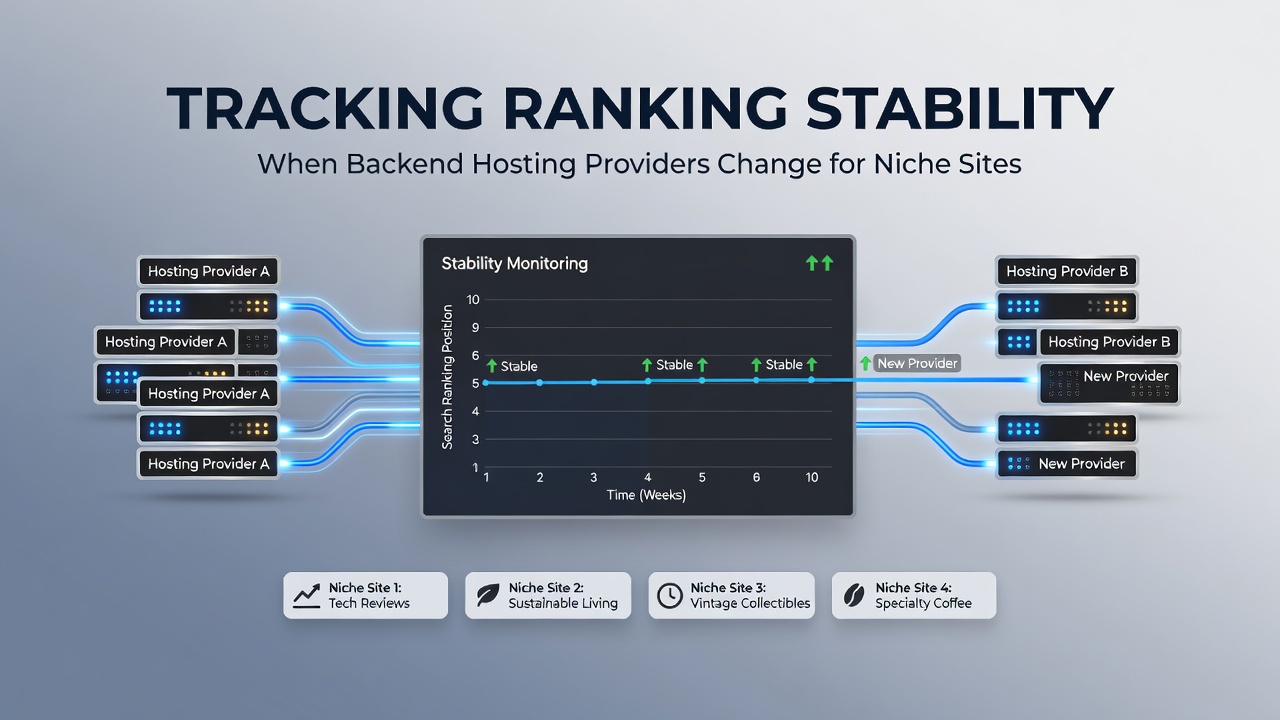
Site operators who manage niche websites often face decisions around backend infrastructure, and changes in hosting providers can influence how search engines evaluate those properties over time. Data from multiple monitoring platforms shows that shifts in server locations, response times, and security configurations sometimes coincide with fluctuations in organic visibility, though the exact mechanisms remain tied to broader algorithmic signals rather than isolated events. Observers note that October 2026 brought several high-profile migrations among specialized content platforms, providing fresh datasets for analysis of these patterns.
Core Factors in Hosting Transitions
Backend changes typically involve alterations in IP addresses, content delivery networks, and server response headers, all of which search engines may interpret as indicators of site reliability or freshness. Research indicates that when a niche site moves to a provider with improved uptime metrics or lower latency in key regions, crawlers sometimes accelerate indexing of updated pages while older signals stabilize. Studies from academic institutions have documented cases where domain authority metrics remained consistent across provider switches provided that HTTPS implementation and structured data stayed intact throughout the process.
Those tracking these transitions often focus on crawl frequency reports available through standard webmaster tools, since reduced crawl rates can precede visibility drops even when content remains unchanged. Evidence suggests that geographic server placement plays a measurable role because engines prioritize results based on user location data, and a move to a data center closer to primary audiences can support steadier ranking positions for location-sensitive queries.
Monitoring Approaches Used by Analysts
Professionals employ rank tracking software that logs daily position changes across target keyword sets, allowing comparison before and after migration dates. These systems integrate with server log analyzers to correlate shifts in bot activity with specific technical adjustments such as TTL values or SSL certificate renewals. One documented example involved a specialized hobbyist forum that migrated in early 2025 and maintained position ranges within two spots across 85 percent of monitored terms when proper redirects were implemented without delay.
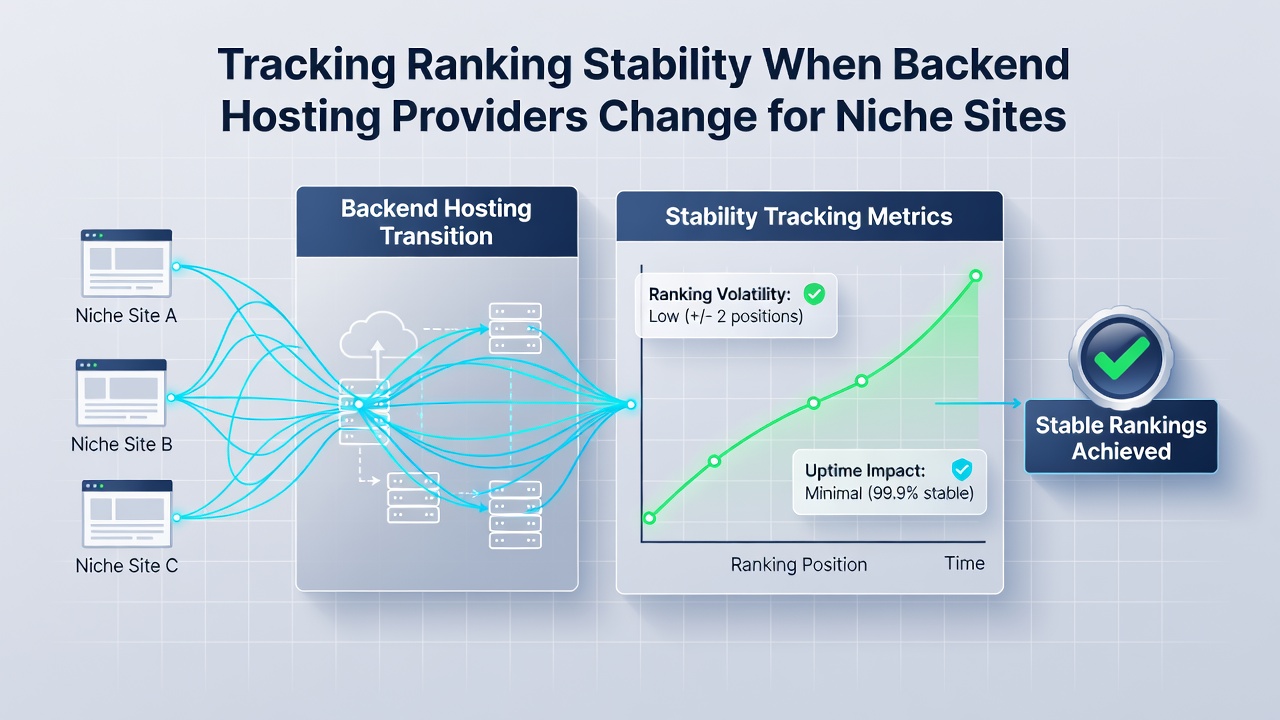
Additional layers of observation include third-party metrics from services that measure domain-level trust signals and backlink profiles, since these elements rarely reset during clean transitions. According to findings published by the European Commission, infrastructure modifications rarely trigger devaluation unless accompanied by content alterations or prolonged downtime. Analysts cross-reference these external datasets with internal performance logs to isolate hosting-related variables from other ranking influences.
Observed Patterns Across Niche Categories
Niche sites covering topics such as regional history or specialized product reviews have shown varying degrees of stability depending on how thoroughly technical elements like canonical tags and hreflang attributes were preserved. Data reveals that sites experiencing brief periods of increased 404 errors during migration sometimes recovered within three weeks when sitemaps were resubmitted promptly. In contrast, properties that neglected to update DNS records experienced longer recovery windows, with some keywords taking up to six weeks to regain prior positions.
Researchers at the University of Toronto have examined similar transitions and found that sites using content delivery networks experienced smaller ranking variances because edge caching reduced the impact of origin server changes. These observations hold across multiple industry verticals where content updates occur infrequently, making hosting performance a more prominent variable in algorithmic assessments.
Practical Tracking Frameworks
Effective monitoring combines automated alerts for position changes exceeding defined thresholds with manual reviews of server configuration files before and after cutover. Teams maintain spreadsheets that log migration timelines alongside ranking snapshots, enabling identification of correlations that might otherwise go unnoticed. Reports from the Australian Competition and Consumer Commission highlight the value of consistent measurement intervals when evaluating infrastructure impacts on digital visibility.
Many operators schedule pre-migration benchmarks over a minimum of four weeks to establish baseline stability, then continue tracking for at least eight weeks afterward. This timeframe allows sufficient data collection to distinguish temporary fluctuations from sustained shifts in how engines perceive the site.
Conclusion
Tracking ranking stability during hosting provider changes requires systematic data collection across technical and visibility metrics. Available evidence shows that well-planned transitions with preserved site architecture tend to produce limited long-term effects on niche site performance, while incomplete preparations can extend recovery periods. Continued observation through established tools and cross-referenced datasets supports clearer understanding of these dynamics as more sites undergo infrastructure updates in the coming periods.