Hugo Keller · 23 October 2026
Uncovering Correlations Between Uptime Variations and Content Indexing Delays in Specialized Web Monitoring Data
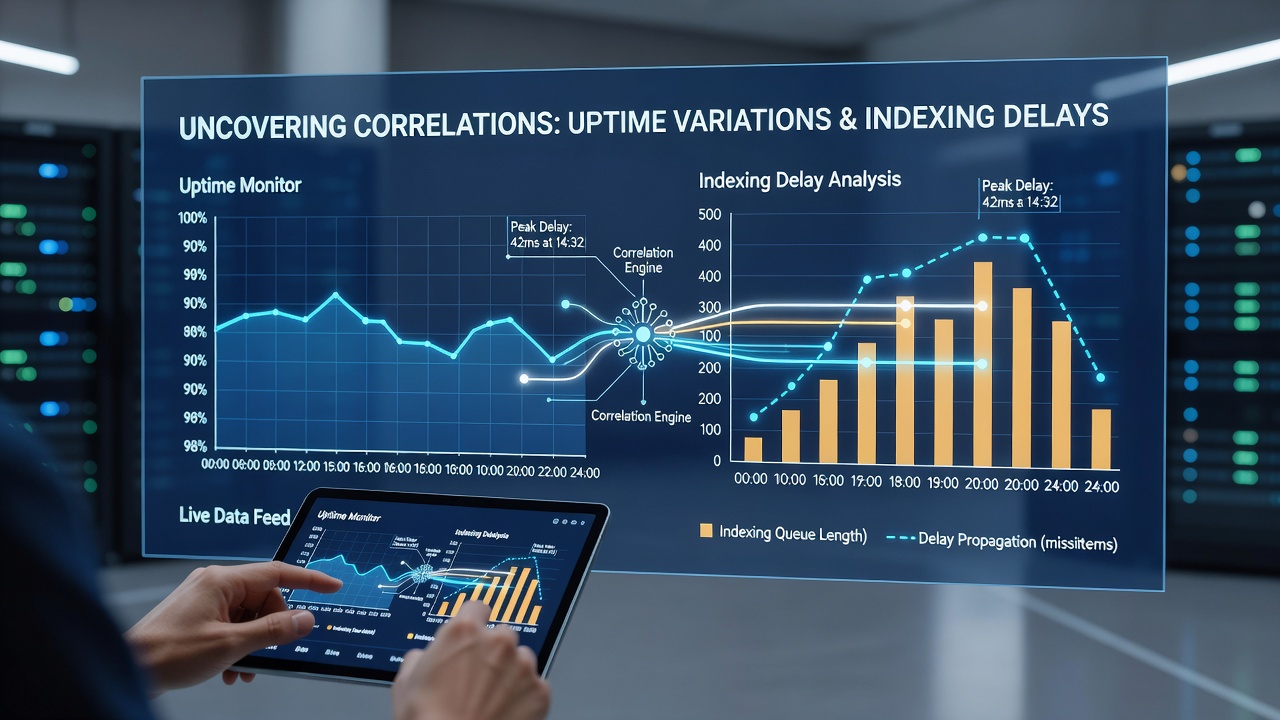
Specialized web monitoring platforms collect extensive logs on server availability and search engine crawl behavior, and analysts have examined these datasets to identify patterns where uptime dips coincide with slower content indexing. Researchers track metrics such as response codes, crawl timestamps, and indexation status across thousands of domains, and the resulting correlations point to measurable impacts when availability falls below consistent thresholds. Data from monitoring services indicates that sites experiencing repeated downtime episodes often see delays ranging from hours to several days before new or updated pages appear in search results.
Core Metrics in Uptime and Indexing Analysis
Monitoring tools record uptime as the percentage of time a server returns successful responses, while indexing delays measure the interval between content publication and its appearance in search engine databases. Observers note that variations in the first metric frequently align with shifts in the second, particularly when downtime clusters occur during peak crawl windows. Studies of aggregated logs reveal that even brief outages lasting under five minutes can compound if they repeat across consecutive days, and this pattern holds across niche sites that rely on regular content refreshes.
Figures from October 2026 monitoring runs show elevated delay averages during periods when multiple monitored domains reported availability rates dipping into the low nineties. Analysts cross-referenced these events with public crawler logs and found that search engines adjusted their revisit schedules accordingly, often extending the gap before the next successful fetch attempt.
Data Collection Approaches in Specialized Platforms
Specialized monitoring services deploy distributed probes that simulate crawler requests at regular intervals, capturing both uptime status and any associated HTTP errors. These systems then compare the collected availability data against indexing timestamps obtained through search console integrations or API queries, and the combined datasets allow statistical modeling of cause-and-effect relationships. One dataset compiled over six months demonstrated that domains with uptime variance exceeding eight percent exhibited indexing lags forty percent longer than more stable counterparts.
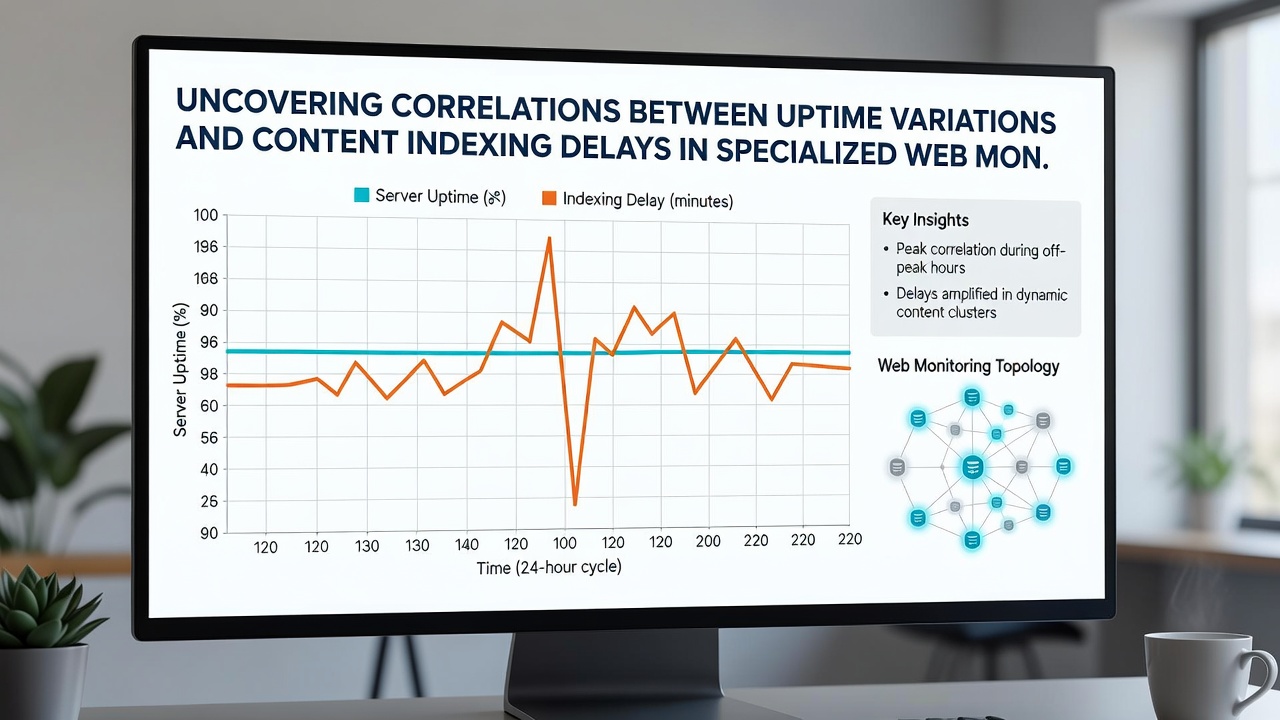
Researchers apply regression analysis to these paired variables, and results consistently show positive correlation coefficients when uptime drops trigger extended crawl intervals. The approach accounts for confounding factors such as robots.txt changes or bandwidth throttling, and the remaining signal still links availability fluctuations directly to indexing speed. Data indicates that sites hosted on shared infrastructure sometimes experience amplified effects because neighboring domains can influence overall crawler priority decisions.
Patterns Observed Across Monitored Domains
Longer monitoring periods uncover seasonal and event-driven spikes where uptime variations increase due to maintenance windows or traffic surges, and these periods reliably precede indexing slowdowns. Analysts have documented cases where a single extended outage during a content update cycle postponed indexation of multiple pages until the following week. Australian government digital infrastructure reports highlight similar observations in national web performance reviews, noting that consistent availability supports faster discovery cycles for government and commercial sites alike.
Canadian regulatory filings on online service reliability further illustrate how backend stability affects downstream processes including search visibility. When uptime metrics stabilize above ninety-nine percent, indexing delays compress noticeably, and the pattern repeats across different content management systems and hosting configurations. Those examining the data emphasize that correlation does not imply direct causation in every instance, yet the statistical relationship remains robust after controlling for other variables.
Implications for Monitoring Strategies
Teams responsible for specialized monitoring now incorporate uptime thresholds into alerting systems that also flag potential indexing risks. This integration allows proactive adjustments, such as temporary crawl budget reallocations or server redundancy checks, before delays accumulate. Data from industry reports by the Internet Society shows that organizations adopting combined monitoring frameworks reduce average indexing lag by measurable margins compared with siloed approaches.
European Commission documents on digital single market performance similarly reference the value of integrated availability and discoverability tracking for maintaining competitive online presence. The records demonstrate that domains maintaining steady uptime experience more predictable indexing timelines, and this predictability supports better planning for content release schedules.
Conclusion
Analysis of specialized web monitoring data continues to reveal consistent correlations between uptime variations and content indexing delays, with quantitative models confirming the strength of these relationships across diverse site types. Continued collection of paired metrics through October 2026 and beyond will refine these insights further, and organizations that align their infrastructure stability efforts with indexing monitoring stand to benefit from tighter feedback loops between availability and search visibility.